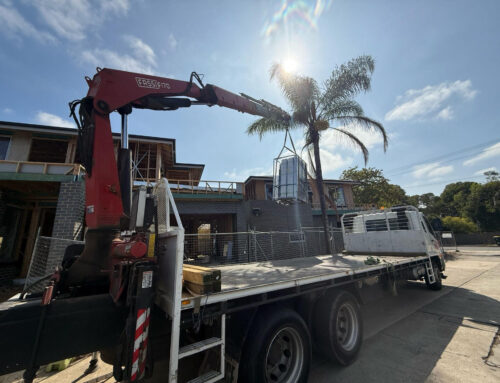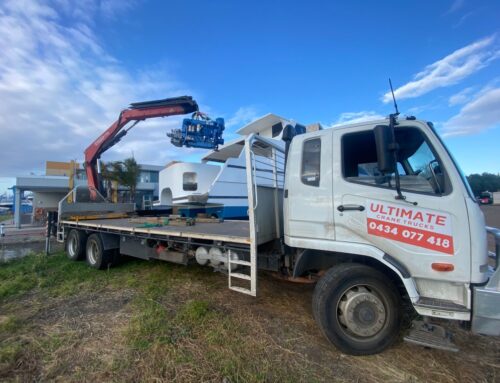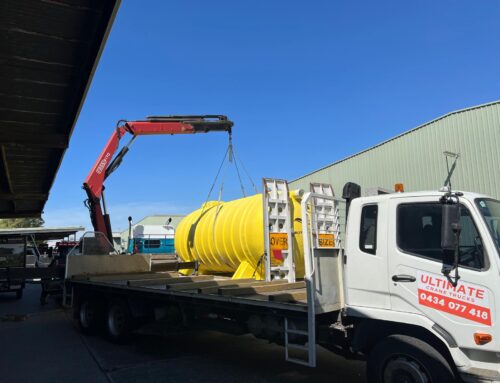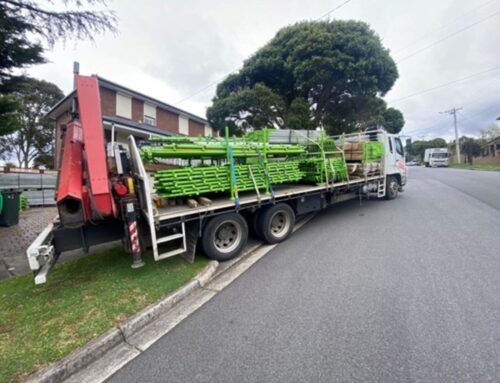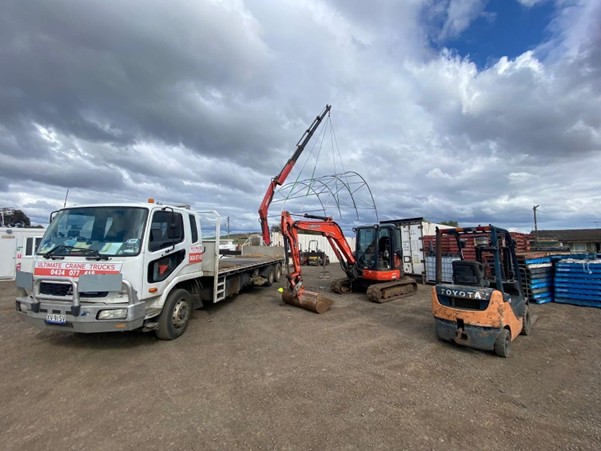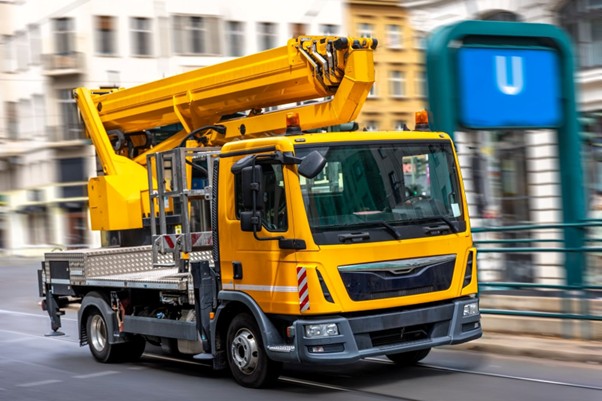
Successful hiab truck hire starts with preparation which includes determining the load weight, dimensions, and site access. All these details influence which truck and crane configuration suits the job. When these remain unclear, projects face delays and added costs.
This guide explains how to assess your load requirements before booking, helping you secure the right equipment for your job sites.
What Load Details You Must Know
When preparing for hiab truck hire, the first and most important step is understanding the load you need to lift and move. Accurate load details help you choose the right truck, avoid surprises on site, and ensure a safe, efficient lift.
1. Know the load weight
The load weight affects both the crane capacity and the truck’s payload limits. Hiab cranes have specific capacity limits that change based on how far the boom extends. A crane might lift heavy weights close to the truck but much less at long reach.
So, always use the exact weight when checking load charts or discussing options with your provider.
How to find the weight:
- Use manufacturer specifications or product metadata.
- Ask suppliers or fabricators for exact weight.
- Weigh the load on a weighbridge if possible.
- When items have irregular shapes, estimate conservatively and mention it to your hire company.
2. Measure the load dimensions
The size of your load influences how the crane can reach it and how it fits on the truck tray. Large or awkward dimensions may require a different crane model or special rigging to secure the load safely.
Key measurements to capture:
- Length: Long items may change how far the boom needs to reach.
- Width: Wide loads can affect how the truck travels and parks.
- Height: Tall loads may need extra clearance in low-access areas.
Write down these measurements clearly and confirm them with your provider when you request a quote.
3. Understand load shape and balance
Loads with uneven shapes or off-centre weight distribution behave differently in a lift. A bulky, uneven load can shift or place extra stress on the crane if you don’t factor in balance and centre of gravity. Fragile materials or unbalanced machinery may also require special slings or spreader bars to lift them safely.
When in doubt:
- Photograph the load from multiple angles.
- Describe any irregular shapes or materials.
- Discuss potential rigging needs with your hire provider.
4. Recognise material type and handling needs
Different materials require specific rigging and lifting techniques. Heavy metal components, concrete panels, timber packs, machinery, tanks, and containers, for instance, all behave differently under lift loads.
Include material details when you describe the job so your provider can match the right truck and lifting accessories.
5. Consult load and crane specifications
Every hiab crane comes with a load chart that shows how much it can lift at different boom lengths and angles. Reading these charts helps you understand limits before you book.
When you discuss your booking:
- Ask for the specific crane’s load chart.
- Compare your load weight and reach requirements with the chart.
- Clarify any questions with the provider before confirming.
Assessing Your Site Before You Book
Even with accurate load details, site conditions can determine whether a hiab truck can operate safely and efficiently. Assessing your site before booking helps prevent access issues, unsafe lifts, and last-minute changes.
Check site access and entry points
Start by confirming how the hiab truck will enter and exit the site. Hiab trucks require sufficient space to manoeuvre, stabilise, and operate the crane.
Narrow streets, laneways, or shared access points are common in Melbourne and can limit truck size or positioning.
Identify overhead and surrounding obstructions
Overhead hazards directly affect crane operation. Power lines, tree branches, awnings, and building overhangs, for instance, can restrict boom movement and lifting height.
Walk the site and note structures such as power lines, service cables, scaffolding, trees, fixed signage, fencing, or adjacent buildings.
You must relay this information before booking so the correct crane configuration and lift plan can be prepared.
Assess ground conditions and stability
Hiab trucks rely on stable ground to deploy stabiliser legs safely. Soft soil, sloped surfaces, or recently disturbed ground can reduce lifting capacity or require additional preparation.
So, check for:
- Concrete, asphalt, gravel, or soil surfaces
- Drainage pits or underground services
- Uneven or sloped ground
- Weather-affected conditions such as wet soil
The presence of these ground conditions may require timber mats or repositioning of the truck to maintain stability.
Confirm set-up space for crane operation
The crane needs adequate space to unfold, rotate, and lift without obstruction. Even when access seems sufficient, limited setup space can affect reach and capacity.
Measure:
- Distance from truck position to load pickup point
- Distance from truck position to load drop-off point
- Side clearance for stabilisers
Take clear site photos
Photos help your hire provider assess conditions accurately without assumptions. They reduce back-and-forth communication and improve booking accuracy.
Capture:
- Site entry and exit points
- Lifting and placement areas
- Overhead hazards
- Ground surface where the truck will set up
How to Prepare & Submit Your Load Requirements (Step-by-Step)
Once you understand your load and site conditions, the next step is presenting that information in a way that allows your hiab truck hire provider to plan the job accurately. Here are the basic steps you shouldn’t miss:
Step 1: Consolidate your information
Bring all verified load and site details into a single document or message. Avoid sending information across multiple emails or calls. A single, structured summary allows faster review and reduces the risk of missed details.
Step 2: Prioritise critical information
Place the most important details first so the provider can assess suitability immediately.
Include:
- Load weight and dimensions
- Required lift distance and placement point
- Site access limitations
- Overhead or ground constraints
This approach helps the provider determine crane capacity before reviewing secondary details.
Step 3: Use visuals to support accuracy
Attach clear photos of the load and site. Visual context allows operators to validate measurements and identify risks that may not be obvious in text.
Photos also reduce assumptions and support more accurate equipment selection.
Step 4: Communicate time sensitivity clearly
If the job has fixed access windows or time restrictions, state them upfront. Timing influences truck availability, crew planning, and permit coordination.
Step 5: Ask for confirmation before locking the booking
Before final approval, confirm that the proposed hiab truck and crane configuration matches your submission. This final check ensures alignment between expectations and execution.
Book Your Hiab Truck Hire with Confidence
Accurate load assessment and clear preparation help prevent delays, reduce risk, and ensure the right equipment arrives on site. When you take the time to confirm load details and site conditions before booking, the process for your hiab truck hire becomes a smooth and predictable part of your project.
For expert guidance and reliable hiab truck hire in Melbourne, speak with Ultimate Crane Trucks. Our experienced team can review your requirements, recommend the right setup, and support a safe, efficient lift from start to finish.
Contact us now!