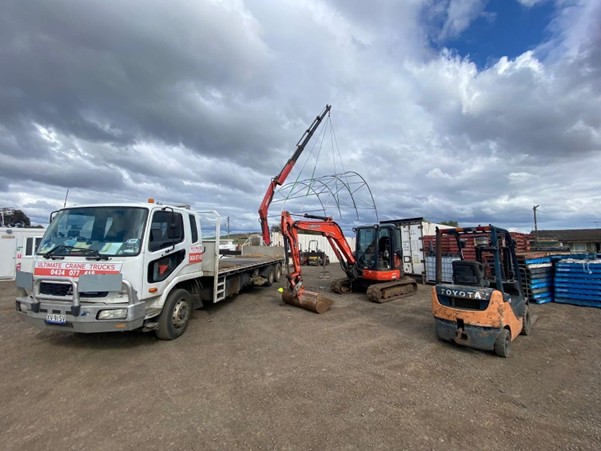
Moving machinery within a manufacturing plant is a complex procedure that demands precision, coordination, and the proper equipment. Whether you’re repositioning production lines or transporting heavy industrial machines to a new facility, a dependable crane truck rental is an essential partner. With careful planning, a crane truck can make machinery relocation safer, faster, and less expensive.
This guide outlines the key planning steps to help you manage your next machinery relocation project smoothly, while minimising downtime and risks.
Understanding the Role of Crane Trucks in Machinery Relocation
Manufacturing machinery is not only heavy but also very sensitive. Computer Numerical Control (CNC) systems, milling machines, and automated assembly lines can weigh between 5 and 50 tonnes and are commonly anchored in confined production spaces. Conventional lifting methods are typically ineffective due to access and load limitations.
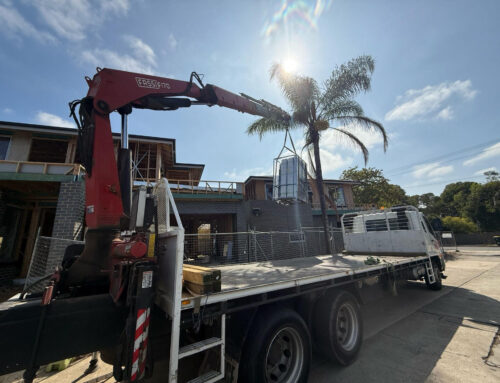
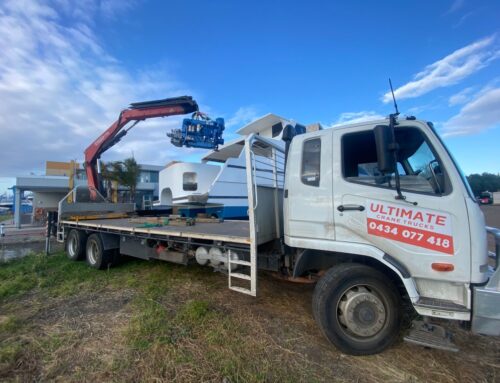
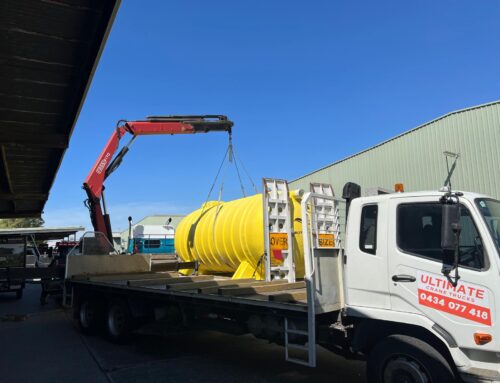
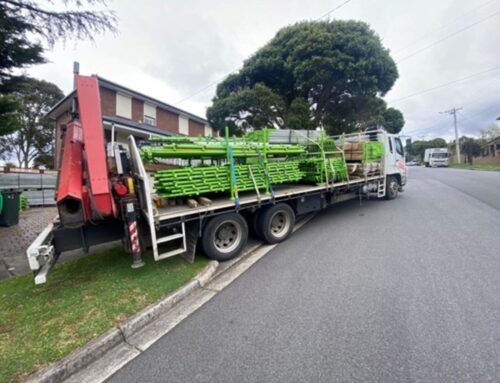
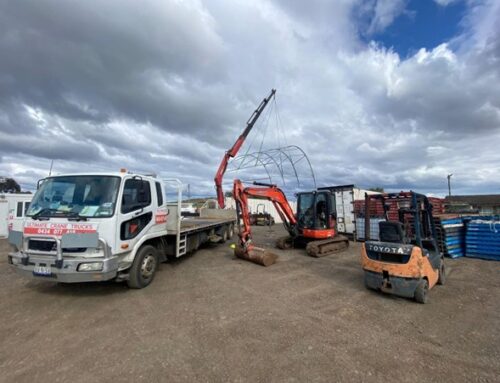
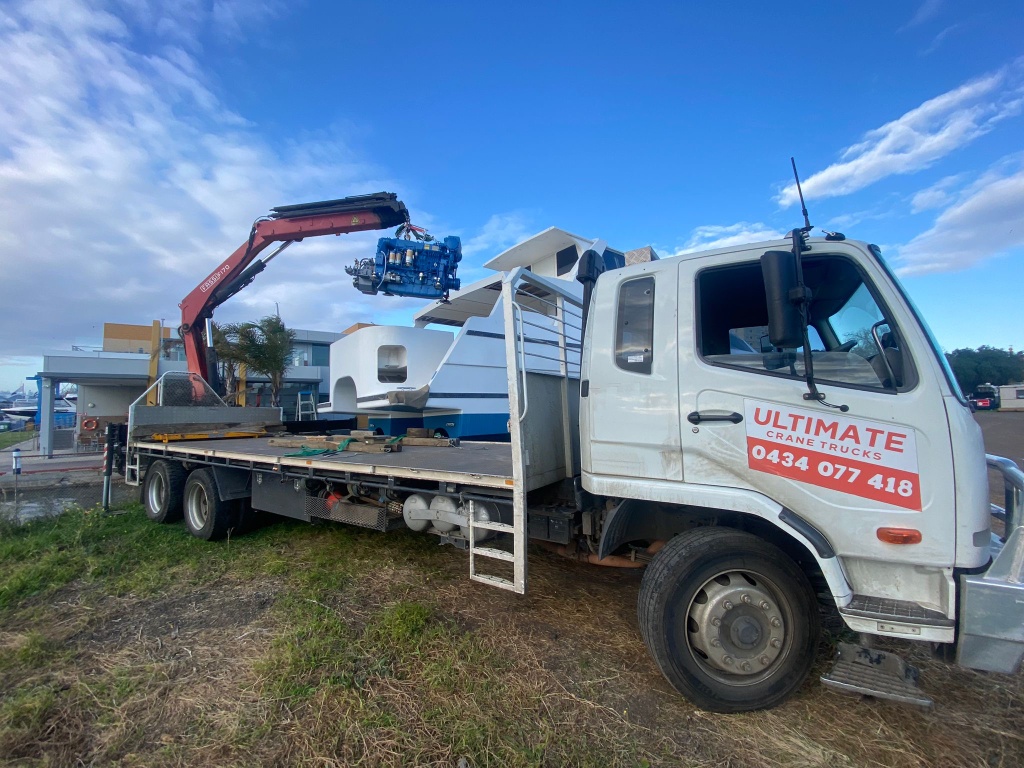
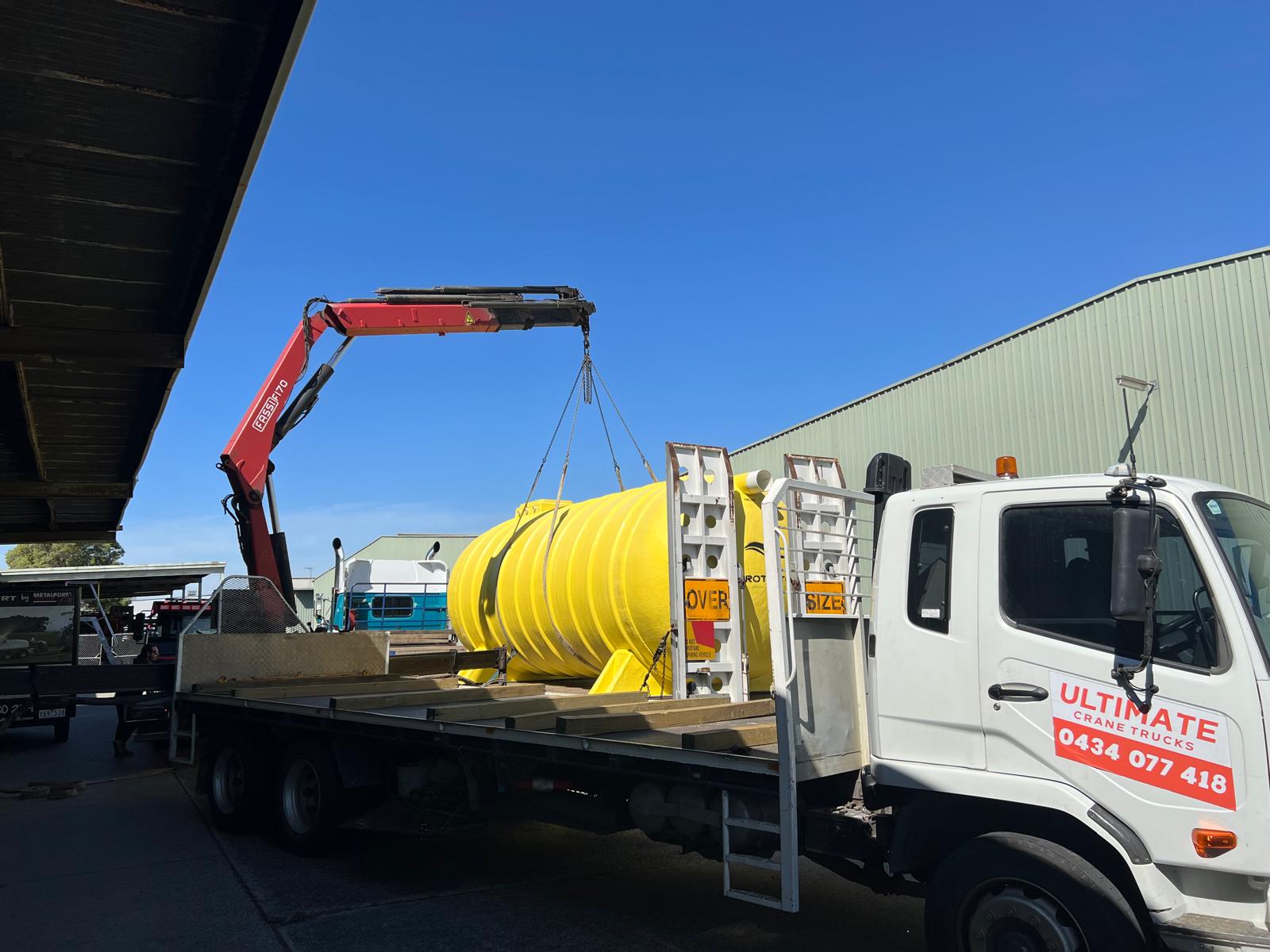
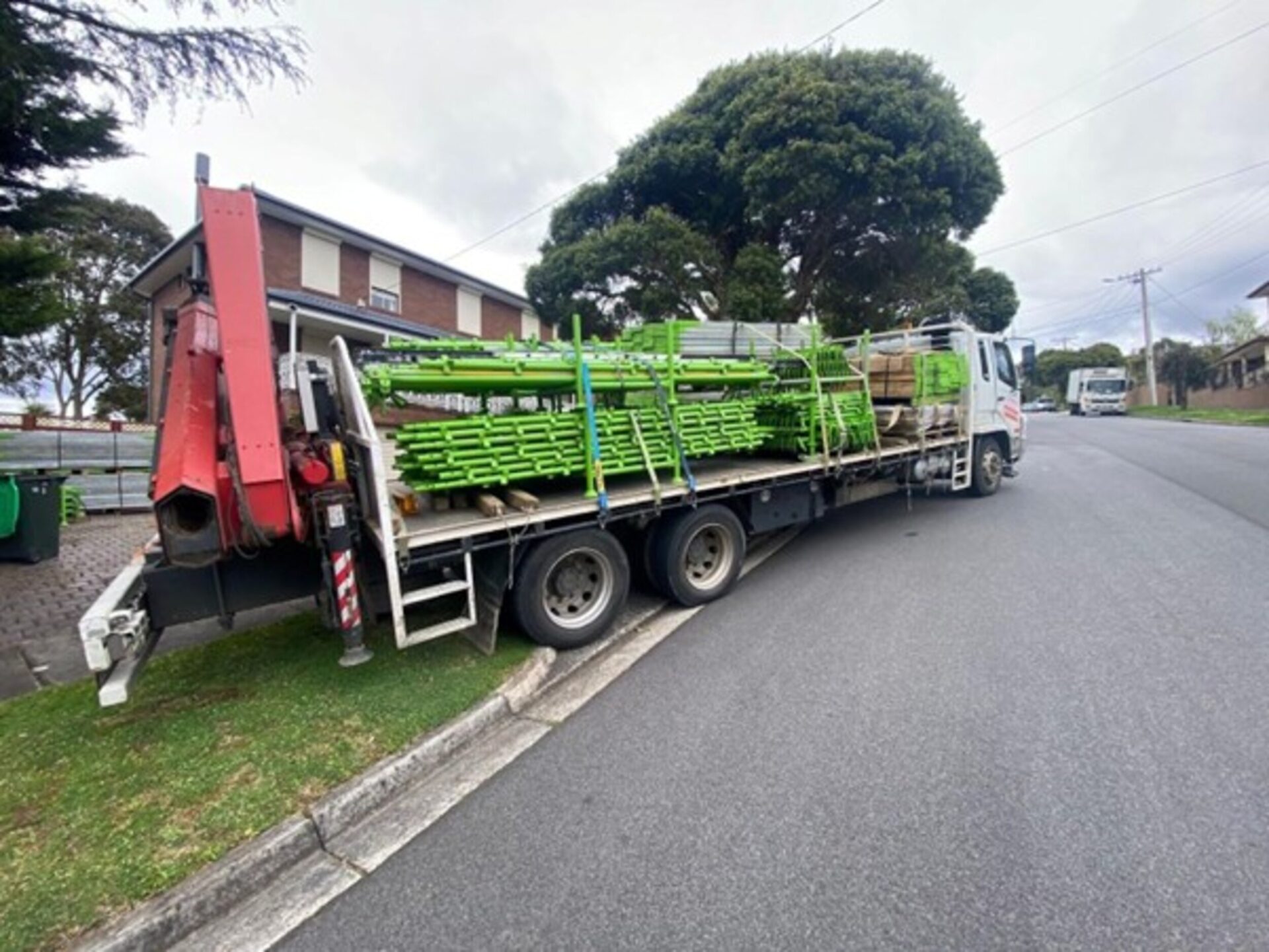
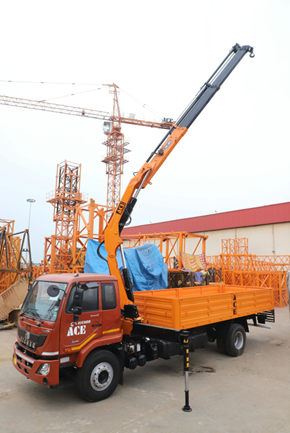
Crane trucks are ideal for such activities because they combine mobility and lifting power in a single unit. With a mounted crane and flatbed configuration, they can lift, transport, and precisely position machinery without requiring multiple pieces of equipment. This adaptability makes them ideal for both in-plant and site-to-site transfers.
Step 1: Conduct a Detailed Site and Equipment Assessment
Every successful relocation starts with a detailed evaluation of the plant layout and machinery. Begin by identifying:
- Machine weight, size, and shape: Crucial for load rating and crane selection.
- Lifting points and centre of gravity: Determines balance and rigging setup.
- Access paths: Identify floor load limits, door widths, ceiling heights, and turning radii.
- Environmental conditions: Assess lighting, ventilation, and surface stability.
A pre-relocation inspection allows you to foresee potential obstacles such as low beams, narrow corridors, or sensitive flooring. Sharing this information with your crane truck rental provider ensures that the right vehicle and configuration are chosen.
Step 2: Select the Right Crane Truck Type
Crane trucks vary in capacity, reach, and flexibility. Choosing the correct crane truck type is critical for safety and efficiency.
- Flatbed Crane Trucks: Best for moving large, stable machinery or modular components between sites.
- Knuckle Boom (Articulated) Cranes: Ideal for confined indoor spaces with restricted overhead clearance.
- Hiab Crane Trucks: Offer hydraulic precision for controlled lifting and placement, reducing manual rigging effort.
Your decision should align with the machinery’s specifications as well as the facility’s spatial conditions. Ensure the equipment meets Australian Standard AS 1418.
Step 3: Develop a Load Handling and Movement Plan
A detailed mobility plan ensures operational safety and continuity. It should contain:
- Defined load path: Mapping the lifting, transport, and placement stages.
- Rigging plan: Select rated slings, chains, and spreader bars compatible with the machine’s load points.
- Ground condition checks: Verify surface stability to avoid crane instability during operation.
- Safety barriers and exclusion zones: Control pedestrian and vehicle movement around lifting locations.
Before starting work, professional operators conduct a Lift Plan and Job Safety Analysis (JSA) to identify potential hazards and implement control measures.
Step 4: Coordinate with On-Site Teams
Multiple teams are often involved in machinery relocation projects, including engineers, electricians, riggers, and crane operators. To ensure flawless operations:
- Schedule work during off-peak hours or planned shutdowns.
- Isolate electrical, hydraulic, or pneumatic systems before lifting.
- Maintain communication between production supervisors and crane crews to align timing and tasks.
- Use clear hand signals or radios for precise coordination.
Close collaboration between plant staff and the crane operator can significantly minimise relocation time and prevent costly mistakes.
Step 5: Prioritise Compliance and Safety
Lifting and moving heavy equipment remains one of the most dangerous activities in industrial settings. To ensure compliance and safety:
- Only use operators with a High-Risk Work Licence (HRWL).
- Confirm crane and lifting gear inspections are up to date.
- Review load charts before each lift to confirm the crane’s safe working limit.
- Assign a skilled spotter or signaller to guide the operator.
All work must comply with Work Health and Safety (WHS) regulations, which include risk assessment, emergency planning, and certification requirements.
Step 6: Post-Relocation Testing and Verification
After relocating the equipment, perform comprehensive post-installation checks before restarting production. This includes:
- Checking for mechanical or alignment shifts.
- Verifying secure anchoring and levelling.
- Testing operational systems under no-load and full-load conditions.
- Documenting the move for maintenance and auditing purposes.
These verification steps safeguard machinery accuracy, reduce future downtime, and maintain operational reliability.
Why Partner with Ultimate Crane Trucks
Successful machinery relocation requires expertise, precision, and dependable equipment. Ultimate Crane Trucks provides modern crane truck rental services operated by fully licensed professionals with extensive industrial experience. From precision positioning inside factories to multi-site relocations, our team ensures that every relocation is carried out safely and efficiently.
If your manufacturing plant needs a reliable partner for machinery relocation, trust Ultimate Crane Trucks. Our team is ready to help you move complex, heavy, and valuable equipment precisely and carefully. Contact Ultimate Crane Trucks to discuss your next project today.