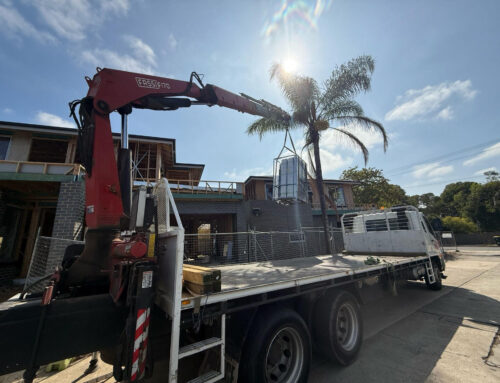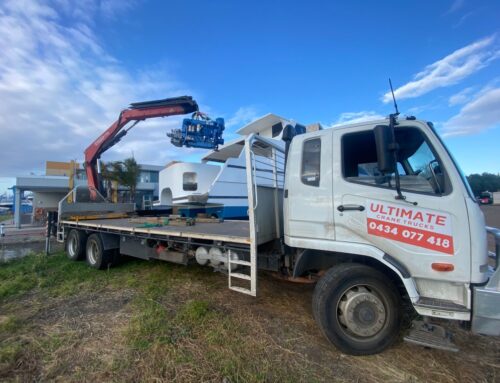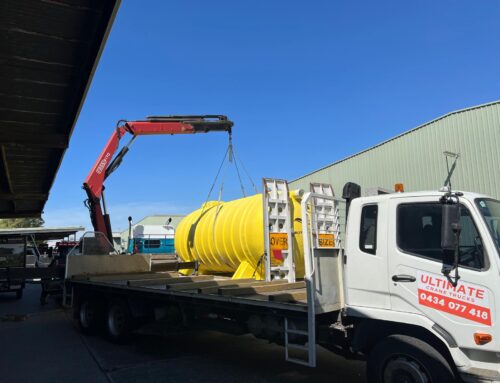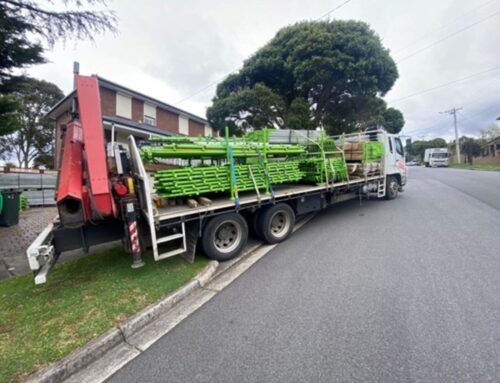
When moving heavy items, two popular options are hiab trucks and standard transport trucks. But while they essentially serve the same function, how you achieve success with your project with each one may vary. Take note, in heavy load projects, the question isn’t only “how do we transport this?” It’s “how do we transport and position it efficiently?”
In this guide, we’ll help you understand the differences between a standard transport and hiab truck hire for heavy loads to help you select the right one for your project.
What Are the Most Important Things to Consider When Transporting Heavy Items
Every successful heavy transport job starts with understanding the load. Before choosing any vehicle or lifting method, you need a clear picture of what is being moved and how it behaves during handling.
- Weight and Load Distribution
The total weight matters, but so does how that weight sits across the load. Knowing the true weight and distribution helps prevent overloading and keeps the load stable in transit. - Dimensions and Shape
Length, width, height, and overall shape affect how the load fits on a truck and how it moves through roads, gates, and job sites. Oversized or irregular shapes may require escorts, special permits, or creative securing methods. - Centre of Gravity
A high or uneven centre of gravity increases the risk of tipping during lifting or cornering on the road. - Structural Integrity and Fragility
Some heavy items can tolerate pressure. Others cannot. Knowing fragility levels influences how the load gets supported and tied down. - Approved Lift Points and Attachment Areas
Not every surface is safe to lift from. Many loads have specific, engineered lift points. Using the wrong area can cause structural failure. - Securing Requirements
The transporter plans how the load will be restrained during travel. This includes chains, straps, blocking, and padding. The load must also remain secure under braking, turning, and uneven road conditions. - Legal and Compliance Considerations
Some loads trigger special regulations. Extra weight, wide loads, or unusual shapes, for instance, may require route approvals or safety escorts. - Risk if the Load Shifts or Fails
Heavy loads can damage property, equipment, and people if they move unexpectedly. Understanding risk levels guides the level of caution, supervision, and control needed.
Hiab Truck Hire vs Standard Transport – How Do They Differ for Heavy Load Transport
Choosing between hiab truck hire and standard transport comes down to how the load needs to be handled, not only how it needs to be moved. Each option performs best under specific conditions, and understanding those differences helps prevent delays, damage, and unnecessary hire costs.
Loading and unloading capability
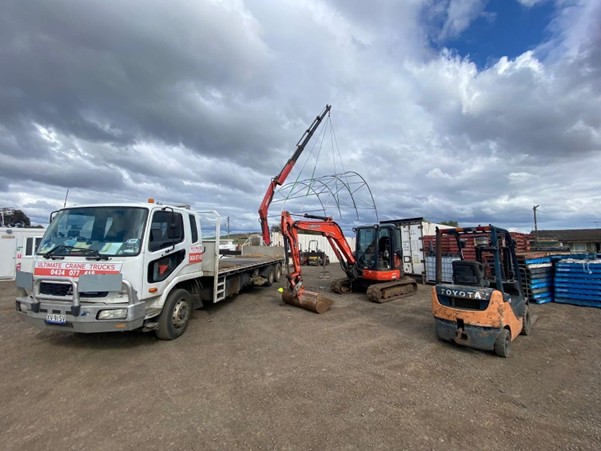
A Hiab truck carries its own hydraulic crane. It arrives, lifts the load, places it where required, and leaves, all as one controlled operation. This eliminates the need to book a separate crane or forklift.
It also reduces double handling, because the load transfers directly from the ground (or another position) onto the truck and back again.
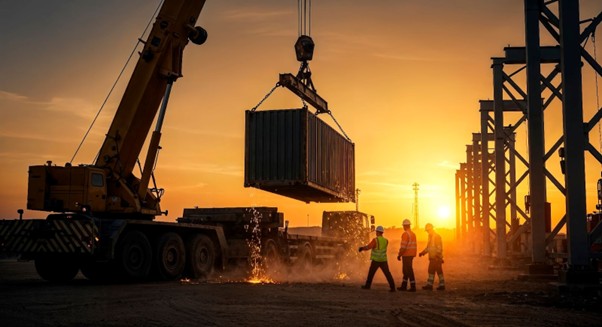
Standard transport does not lift on its own. It relies on separate equipment such as mobile cranes, forklifts, or onsite loaders. This creates more moving parts, more coordination, and more risk of scheduling conflicts.
Precision placement
A Hiab truck excels in jobs that require accurate positioning. Operators can extend the crane, articulate the boom, and place loads precisely inside narrow yards, behind fences, or over small obstacles.
Standard transport focuses on hauling, not placement. The truck delivers the load, then another team must position it using separate lifting gear. That process works well in open sites, but in tighter environments it often becomes slower and less predictable.
Site access and constraints
Hiab trucks handle restricted access more effectively. They can lift items into tight spaces, onto platforms, or into locations where a standalone crane cannot safely set up. They also avoid parking large mobile cranes in confined zones.
Standard transport suits environments with clear access and ample working space. If the site already has fixed lifting infrastructure, such as warehouse cranes or forklifts, a standard truck can be the more efficient option because the lifting capability already exists onsite.
Coordination and project control
Hiab truck hire simplifies logistics. One contractor handles both transport and lifting, so there is only one schedule to manage. This reduces communication breakdowns and improves accountability.
Standard transport increases coordination requirements. The transporter, crane company, and site crew must align timing precisely. When conditions change, multiple bookings need rescheduling. This increases administrative pressure and exposes the project to potential delays.
Cost structure and hidden costs
A Hiab truck may appear more expensive at first glance. However, it often replaces a separate crane hire, rigging crew, and additional loading time. Its true value lies in combining roles into one service, reducing total project costs and minimising downtime.
Standard transport usually has a lower base rate, but costs rise as soon as extra equipment enters the picture such as crane hire, operators, rigging, waiting fees, and re-delivery charges.
Safety and risk management
A Hiab system reduces manual handling. The crane lifts, rotates, and lowers the load under controlled conditions. Fewer people handle the load physically. Fewer transfers occur between machines. Every reduction in handling points lowers the probability of damage or injury.
Standard transport can still operate safely, but it introduces more interfaces, between crane operators, truck drivers, riggers, and onsite crews. Each interface requires clear communication and disciplined planning. The safety outcome depends heavily on how well everyone works together.
Versatility across different loads
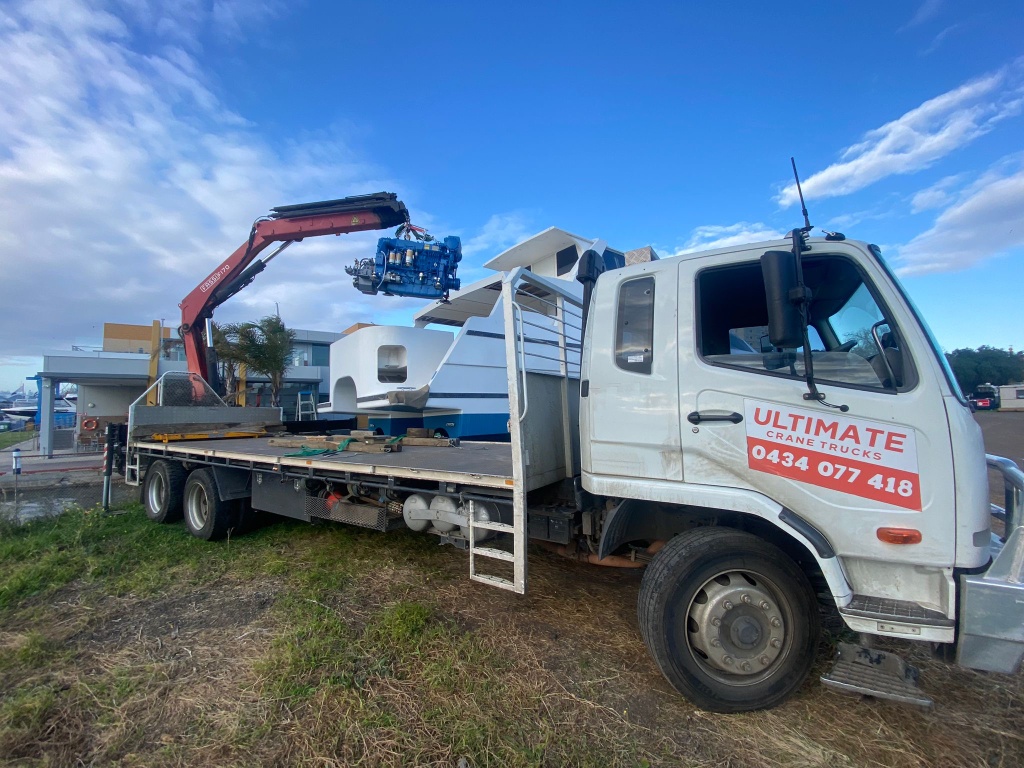
Hiab trucks suit loads that require both movement and precise placement, including machinery, site sheds, tanks, structural components, signage, generators, and containers. They provide flexibility when jobs involve multiple destinations or irregular site layouts.
Standard transport suits predictable freight movements. Palletised goods, bulk deliveries, and materials that already have onsite lifting access move efficiently on traditional trucks.
When to Choose Hiab Truck Hire
Choose hiab truck hire when the load needs lifting, positioning, or precise placement, not just transport. Here are some situations it fits best:
- Delivering a generator into a fenced yard where no forklift can access
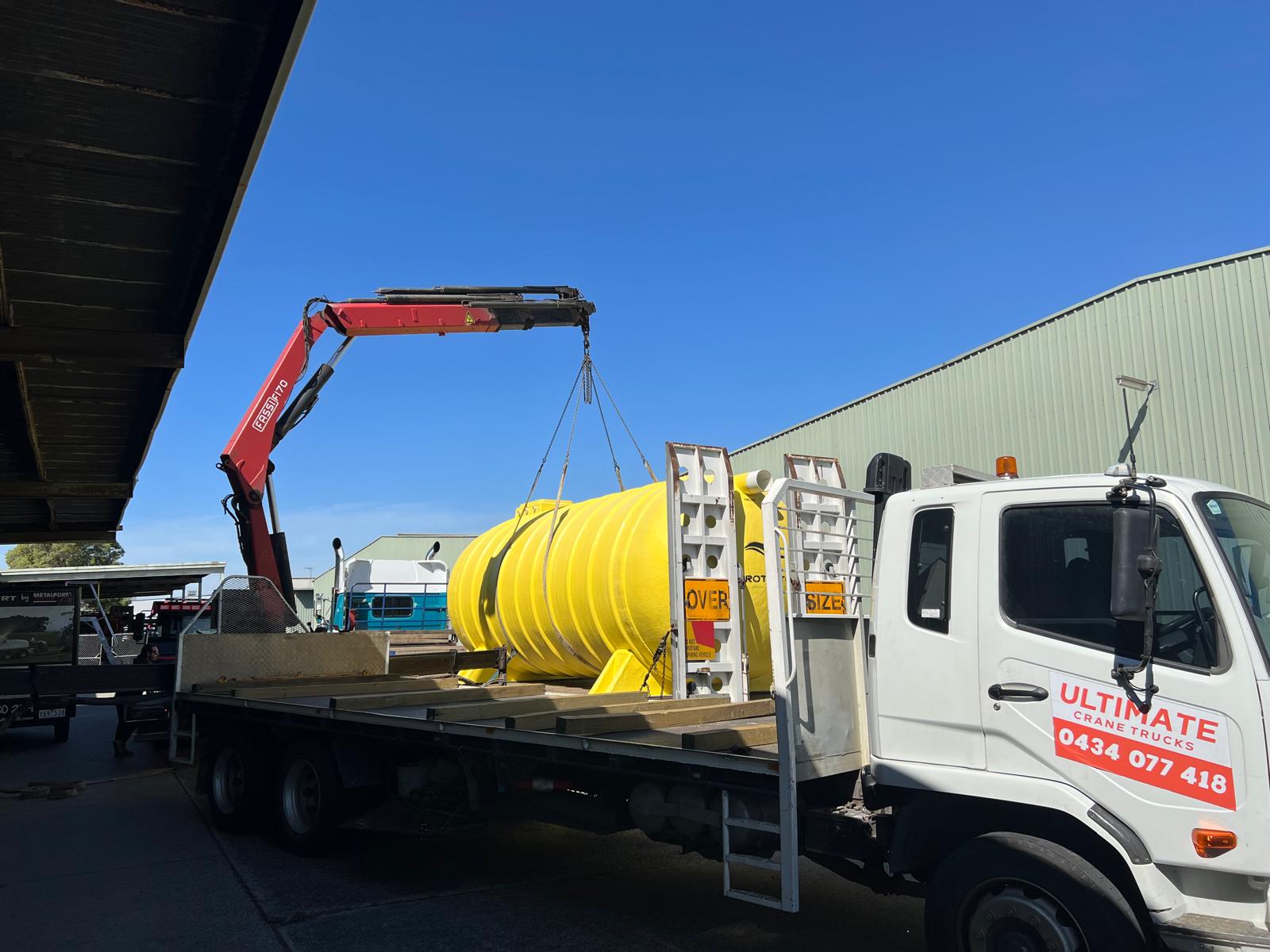
- Placing a water tank behind a small residential property
- Lifting air-conditioning units onto a platform or mezzanine
- Delivering machinery to a rural property with no crane or forklift
- Installing site sheds across different areas of a construction site
- Moving prefabricated panels that cannot tolerate twisting or shock
- Transporting and installing signage in a busy shopping centre carpark
- Positioning a shipping container exactly parallel to a boundary line
When Standard Transport Is More Appropriate
Standard transport becomes the better choice when the job is pure haulage and the lifting component is already covered elsewhere or isn’t needed at all. This includes:
- Delivering pallets to a warehouse that uses forklifts all day
- Hauling bundled timber or steel from a depot to a building site
- Transporting multiple pallets of bricks or packaged building supplies
- Delivering equipment to a commercial facility with wide driveways
- Moving goods on repeat scheduled routes with predictable access
- Dropping materials beside a work zone where onsite crew will handle them later
- Coordinating delivery to a high-rise construction site where a tower crane will unload
Choose the Right Transport Solution for Your Heavy Items
Deciding between hiab truck hire and standard transport comes down to understanding how your load needs to be handled. When lifting, precision placement, and restricted access are part of the job, a Hiab provides a safer and more streamlined solution. But, when the job only requires hauling and the lifting is already covered, standard transport delivers better value.
If you’re unsure which option fits your project, our team can assess the load, site conditions, and logistics and recommend the safest and most efficient approach.
Contact us at Ultimate Crane Trucks today to discuss your job and get expert guidance on the best transport solution.